
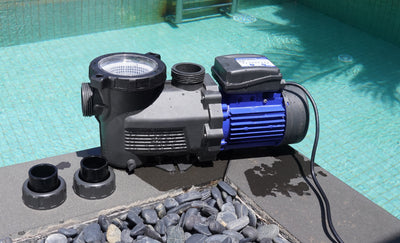


Cloudy pool water is a signal to slow down—not a reason to start adding products at random. The safest first move is to keep swimmers out while you assess the water, then work through four checks in order: water clarity, a current water test, visible debris or algae, and the condition of the circulation and filter system. That sequence matters because cloudy water can involve more than one issue at once. A dirty pool after a storm, a water-balance problem, and a filter that needs model-specific service can all look similar from the deck. Treating the symptom before you understand the situation can make it harder to tell what changed. CDC’s recreational-water guidance advises people not to enter pools with cloudy water and to check disinfectant and pH. That source is written for travel health rather than local pool-code enforcement, but it is a sensible safety screen for a backyard pool: if you cannot confidently assess the water, pause use and begin the checks below. Read the CDC guidance.
Start with a simple safety screen
Before you touch equipment or open a chemical container, look at the pool as it is. Keep people out of the water while it is cloudy. Then make a quick note of what you see:
- Is the cloudiness uniform, or concentrated near the floor, steps, or returns?
- Did it appear after heavy use, wind, rain, a nearby landscaping project, or visible debris?
- Is there a color change, surface film, or growth that needs separate attention?
- Can you see the bottom and any objects that would normally be easy to spot?
You are not diagnosing the pool from appearance alone. You are deciding whether it is safe to move to the next check and whether the problem looks like loose material in the water, a water-treatment issue, or something the circulation system may not be handling as expected. If you see a damaged drain cover, exposed wiring, a burning smell, unusual electrical behavior, or water near a questionable electrical component, stop there. Pumps, filters, and vacuums are electrical pool equipment in a wet environment; do not attempt wiring, breaker, grounding, bonding, or internal repair work yourself. Review the CPSC safety guidance.
Test the water before you treat the water
A clear-looking pool can still have a water-treatment issue, and a cloudy pool is not automatically a filter problem. That is why the next step is a fresh test—not a guess based on the last product you added. CDC advises residential pool owners to routinely check chlorine concentration and pH. It also notes that the test method and the conditions matter, so follow the instructions that came with your test kit or strips. See CDC’s home-pool testing guidance. For this decision tree, record three things:
- The date and time of the test.
- The readings your kit reports.
- Anything that may have changed since the last normal reading: weather, bather load, debris, maintenance, or a treatment event.
This record is more useful than trying to remember whether the water “looked fine yesterday.” It also gives you a better starting point if you need to speak with a pool professional or compare the result with your product label and equipment manual. Do not use a generic article to calculate a dose or combine chemicals. CDC’s homeowner guidance is straightforward: read and follow product labels, use appropriate protective equipment, and keep pool chemicals secured. Review the chemical-safety guidance.
Remove what you can clearly see
If leaves, pollen, dirt, or other visible material are in the pool, remove that material before deciding that the filter or the water chemistry has failed. Use only the routine cleaning steps you already know are safe for your pool. That may mean skimming, brushing, or using the normal owner-level cleaning procedure in your manual. The goal is not to perform a major repair. It is simply to reduce the obvious load so you can see whether the water begins to improve once the system is running as it normally should. This is also the point to separate a debris problem from a possible algae problem. If you see growth or staining that you cannot confidently identify, treat it as a reason to consult the right label, manual, or qualified pool service rather than escalating a treatment on guesswork.
Let the filter tell you what it can—and cannot—answer
A filter is part of the circulation loop, not a stand-alone water-care plan. It helps capture physical material from moving water, but it does not replace testing and treatment. Our guide to how a sand filter fits into the system explains that separation in more detail. At the owner level, keep the equipment check simple:
- Confirm the system is following its normal operating schedule.
- Look for obvious external changes such as a leak, a damaged fitting, or unusual noise.
- Check only the baskets, lids, or accessible items your exact manual identifies as routine owner maintenance.
- Compare what you observe with the normal condition you recorded when the pool was clear.
Do not open a pressurized filter tank, move a valve, replace media, borrow a pressure threshold, or copy a backwash sequence from a different model. A sand-filter manual from Pentair, for example, treats pressure, flow, service sequence, and local-code requirements as model-specific. That is the useful general lesson—not a procedure you should transfer to your own equipment. Read the manual-boundary reference.
Choose the next step from the pattern, not from a product shelf
Use the pattern you have collected to decide what comes next.
| What you find | The next decision |
|---|---|
| The water is cloudy and the test result is outside the label or local-service guidance you rely on | Address the reading with your own product label or qualified service guidance; do not guess a dose. |
| The test is current but visible debris is still present | Finish the normal, safe cleaning steps and observe whether the water improves as circulation resumes. |
| The water remains cloudy and you notice a leak, abnormal noise, damaged part, unclear valve position, or a pressurized component you are not trained to service | Stop the owner-level check. Use the exact manual or contact a qualified pool professional. |
| The water has improved, but you cannot explain why the cloudiness appeared | Keep the test and observation record for the next few days. A repeat pattern after storms, heavy use, or maintenance is useful information for a service conversation. |
This is where a filter-first approach earns its keep. It does not promise that one check will solve every cloudy-pool situation. It makes sure you have ruled out the safest, most visible possibilities before adding a treatment product or changing equipment settings.
When “the chemicals look fine” is not the end of the check
A single reading can be useful without answering every question. Cloudy water may follow a debris event, a maintenance change, or an equipment issue even when the test result looks close to your normal range. Instead of jumping to a stronger treatment, revisit the decision path:
- Was the test taken after the cloudiness appeared?
- Did you remove the visible debris first?
- Is the system operating in the way your manual describes as normal?
- Is there a new leak, sound, pressure-related concern, or unclear valve setting?
- Has the water stayed cloudy long enough that the next step should come from the exact manual or a pool professional?
The key is to avoid treating one normal-looking number as a guarantee that every other part of the system is fine.
Keep a short record until the water is back to normal
For the next 24 hours—or until you have clear manual or professional direction—keep a short log:
- Test time and reading.
- What you removed or cleaned.
- Any weather or use event.
- What you observed at the equipment pad without opening anything.
- Whether clarity improved, stayed the same, or worsened.
That log is not busywork. It turns a vague “the pool got cloudy” problem into a clear sequence of observations. It also helps you avoid repeating actions that did not change the condition.
The calm next move
When pool water turns cloudy, do not make the first decision a product purchase. Make it a diagnosis: pause swimming, test the water, remove what you can clearly see, and keep filter service tied to the exact manual. If the pattern points to pressure, plumbing, electrical, or persistent water-quality trouble, bring in qualified help. That approach protects the most important thing in a cloudy-water problem: your ability to make the next decision with evidence instead of urgency.

About the author