
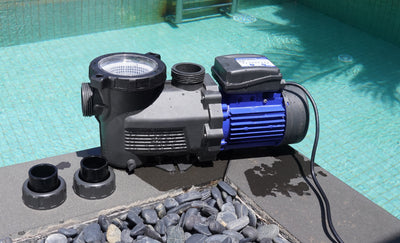


When a household sewage pump may need replacement, the fastest path is often not “find the same number online.” It is to document the existing system well enough for a qualified professional to tell you what must match, what must be inspected, and what should not be assumed. A replacement can look simple from the outside. The installed system may involve an electrical supply, controls or alarms, a basin or pit, a discharge route, wastewater conditions, and local requirements that cannot be confirmed from a product photo.
Begin with the system you have
Start from a dry, safe position and gather information that is already visible. You do not need to remove a cover, open a panel, disconnect plumbing, or handle wastewater to make the first record. Capture these details if they are safely available:
- The existing pump’s readable model and serial information
- Wide photos of the surrounding equipment area
- Labels on visible controls, alarms, disconnects, or junction areas
- A clear view of the visible discharge connection and where its route continues
- The location and visible condition of the basin or pit cover
- Service invoices, prior inspection notes, and the date of the last known work
- A short timeline of the current issue: what you noticed first, whether it repeats, and any recent changes to the home or system
Keep a distinction between facts and conclusions. “The cord jacket appears cracked” is a useful observation. “The pump motor is bad” is a diagnosis that should wait for a qualified evaluation.
Why “same-looking” is not the same as compatible
The old unit’s size, color, mounting position, or one headline rating cannot establish a direct replacement. A professional may need to check details that are not safely visible or that depend on the actual site, including electrical and control requirements, the discharge route, basin/pit conditions, wastewater context, and local rules. That is why a good replacement request starts with a better question: *What must be verified before this installed system is compared with another option?* The answer may differ from home to home. This article does not promise a universal replacement or tell you that a particular model will fit.
Make your notes useful to the person quoting the work
A concise record helps a plumber or electrician ask fewer basic follow-up questions. It also makes it easier to compare explanations and quotes without treating every line item as interchangeable. Use a simple handoff format:
- Existing label: Copy the exact text you can read. If you cannot read it safely, say so.
- Visible system context: Include wide photos that show the relationship among the unit, access area, visible piping, and any exterior controls.
- Symptom timeline: Note the first symptom, any visible alarm or message, whether there was a backup or overflow, and what changed before the issue began.
- Service history: Share past reports and repairs, not just a memory of when the system “last worked.”
- Questions for the professional: Ask which facts still need onsite verification before a replacement is selected.
This is not a workaround for an inspection. It is the information that makes an inspection and a comparison more efficient.
Use maintenance history with the right scope
If your home uses an onsite septic system, EPA explains that system service needs vary and recommends keeping maintenance records and service reports. EPA also notes that systems with electrical float switches, pumps, or mechanical components may need more frequent professional inspection. EPA guidance Those points support keeping a useful history around a replacement conversation. They do not establish why an individual pump failed, how often every sewage pump must be replaced, or which model a particular home needs.
Keep electrical and wastewater work out of the homeowner checklist
CPSC identifies damaged cords and wet electrical equipment as shock and fire hazards. For a household sewage-pump concern, treat wet equipment, damaged cords, sewage exposure, and any task involving a circuit, wiring, or control enclosure as a clear stop point. CPSC electrical-safety checklist Contact qualified service if you see or encounter:
- Wet equipment, standing water, sewage exposure, backup, or overflow
- A damaged, frayed, cracked, or unusually warm cord
- An electrical concern, an unfamiliar alarm, or an issue that might involve a protective device
- A task that would require opening a panel, disconnecting plumbing, removing a pit cover, entering a confined space, or touching wastewater
You do not need to make the system more accessible by taking it apart. A clear note about what you could not safely inspect is part of a good handoff.
Use manufacturer documentation to narrow the conversation
AQUASTRONG’s current cast iron sewage grinder pump page identifies SEP100CA-LV / SEP100CA variants and links a manual. That makes it a useful documentation source when you are discussing that exact model. It does not mean the product is a direct replacement for an unknown unit or installed system. Open the current product page and manual link Bring the exact manual and your system record to the conversation. Ask the professional to verify the points that product pages cannot answer for you: installed-system fit, electrical/control compatibility, discharge conditions, local requirements, and the safe scope of the work.
A calmer way to move from failure to next step
A possible replacement does not have to become an emergency purchase based on the first number you find. Document the system, preserve the service history, state the symptoms plainly, and stop at the boundary where professional evaluation is needed. That record will not select the pump for you. It will help the right person select or rule out options with fewer assumptions.

About the author