


General Knowledge
 What is the difference between the pump's maximum flow rate and the system flow rate?

- Pump Maximum Flow Rate: Refers to the theoretical flow value of the pump under zero-resistance conditions (no piping or filter). This is a laboratory test value and cannot be achieved in actual use.
- System Operating Flow Rate: Refers to the actual flow that the pump can provide in your installed piping and filter system, which is always lower than the maximum flow rate.
- Selection Rule: When choosing a pump, ensure its maximum flow rate is slightly higher than the filter's design flow rate.
Why is the actual System Flow Rate lower than the Pump Max Flow Rate?
"Max Flow" is a theoretical lab value. "System Flow" is the actual performance (approx. 70–80% of max) due to resistance from pipes and the filter.
How does a self-priming pump work?
Unlike standard pumps, which must be completely filled with water before operation, a self-priming pump has a water reservoir and air‑water separation design. Once you manually fill the chamber the first time, it automatically expels air from the suction line, allowing it to “lift” water from a lower level. This design permits the pump to be installed above the pool water level (typically within 1–3 meters).
What should be noted when using my self-priming pump?
- Prime before starting: After installation or prolonged shutdown, always fill the pump chamber completely with water via the priming port.
- Lift is limited: Although the theoretical suction lift can reach 8 meters, actual performance depends on pipe length and fittings. Keep the suction line as short and straight as possible.
- Keep suction connections airtight: Any air leak will cause the pump to lose prime. Ensure all fittings, seals, and the pump lid are tight.
- Inspect regularly: Check the impeller and pump chamber for debris that could affect priming performance.
What is the recommended operating temperature for the pump?
The pump is recommended for use when both ambient and water temperatures are between 32°F and 104°F (0°C and 40°C). The label "maximum medium temperature 40°C" means the water entering the pump must not exceed 104°F (40°C).
At what temperature would it be dangerous to use the pump?
- Ambient or water temperature below 32°F (0°C) (risk of freezing)
- Ambient or water temperature above 104°F (40°C) (may affect the motor and seals)
Troubleshooting
What to do if the pump won't work, overheats, or buzzes?
- Buzzing/No Start: Check for jammed impeller, capacitor failure, or low voltage.
- Overheating: Clear debris from impeller/fan and ensure ventilation.
- Basic Checks: Water level too low? Basket clogged? Power tripped?
- Action: Turn power OFF, spin impeller by hand to check for jams.
Why is my pool pump making excessive noise?
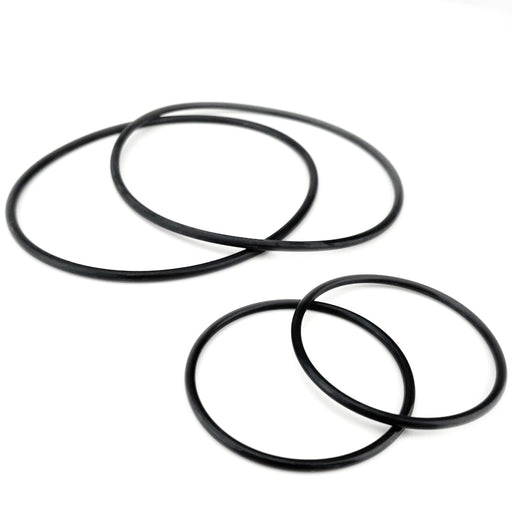
- Air in the system: Check suction hoses, seals, and O-rings to ensure there is no air leak, and properly bleed air from the system.
- Loose connections: Tighten all hose clamps and plumbing fittings on both suction and pressure sides.
- Impeller jammed by debris: Turn off power, open the pump housing, and clear any obstructions from the impeller.
- Clogged pump basket or filter sand: Clean the pump basket; if pressure is high, perform a backwash and rinse.
What should I do if there is water inside the pump housing?
- Install the pump in a sheltered or covered area.
- Check the pump lid and sealing gasket to ensure they are clean, properly aligned, and fully tightened.
- Ensure the pump is fully primed and the pool water level is adequate before starting.
What causes the circuit breaker to trip for the pump?
- Water intrusion or electrical leakage in the pump: Check whether the pump has been exposed to rain, splashing, or standing water, and ensure it is placed in a dry, sheltered location.
- Poor power grounding or wiring issues: Check that the power outlet, grounding wire, and any extension cords meet specifications, and have a professional electrician inspect the wiring.
- Damaged internal insulation or components in the pump: Stop using the pump; if the problem persists, contact customer support for inspection or replacement.