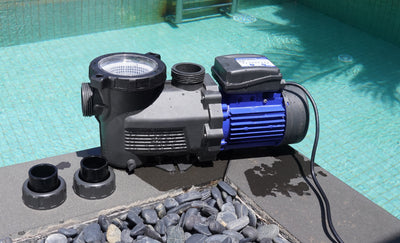
Cast Iron Sewage Grinder Pump 1 HP, 4200 GPH 2 inch Discharge with Auto Float Switch

Free Shipping
Order Now and Get Delivered to Your Home in Five Business Days!

Free Shipping
Order Now and Get Delivered to Your Home in Five Business Days!
#1 Best Seller
4200 GPH
40 ft
2 in
1 HP
Standard sewage pumps move solids through the pump as they are. AQUASTRONG Sewage Grinder Pump adds a stainless-steel cutting stage before discharge, breaking down soft and fibrous household waste into smaller pieces and helping reduce clog-related interruptions.
Automatic Control That Responds to Water Levels:The adjustable tethered float responds automatically as wastewater levels rise and fall—starting the pump when needed and shutting it off after the basin drains.
One less thing to monitor after installation.
Keep Settled Debris Away From the Intake:The elevated intake sits above the basin floor, reducing direct contact with settled debris before wastewater reaches the grinder.
Fewer reasons to reopen the sewage basin.
Move wastewater from below-grade toilets, sinks and showers toward the home’s main sewer line.
Add grinder-equipped wastewater handling where gravity drainage is not available.
Upgrade a compatible 2" residential sewage system with more motor capacity and built-in grinding protection.
Do not remove the motor casing to prevent oil leakage and electrical hazards.
Always lift the pump by its handle or a securely attached rope—never pull it by the power cord.
Avoid pumping flammable or explosive liquids like oil, gasoline, kerosene, ethanol, etc.
SEP100CA-LV |
SEP100CA |
|
|---|---|---|
| Horsepower | 1 HP | 1 HP |
| Votagles | 115V / 60Hz | 220V / 60Hz |
| Max. Flow | 4200 GPH | 4200 GPH |
| AMP | 7.4 A | 4.1 A |
| Discharge | 2" NPT | 2" NPT |
| Powercord | 20 ft | 19.6 ft |
| Max. Head | 40 ft | 40 ft |
| Max. Liquid Temp | 104 ℉ | 104 ℉ |
| Warranty | 2+1 Years | 2+1 Years |
What applications is this pump designed for?
It is designed for compatible residential sewage-ejector basins serving below-grade bathrooms, guest houses, garages and similar wastewater applications.
What are the maximum flow rate and lifting height?
The pump delivers up to 4,200 GPH at minimum head and has a maximum lifting height of 40 ft at shutoff. These are separate maximum ratings and are not achieved at the same operating point. Actual flow depends on vertical lift, pipe length, fittings and system resistance.
Which voltage should I choose?
Choose the version that matches your electrical supply:
Always verify the selected model before ordering and connect it to a properly grounded, code-compliant circuit.
What discharge connection does the pump use?
The pump uses a 2-inch NPT discharge. Match the discharge piping to the pump outlet and account for vertical lift, horizontal distance, elbows and check-valve resistance when planning the system.
How does the automatic float switch work?
The adjustable float switch starts the pump when the water rises and stops it when the water falls. Install the pump where the float can move through its full range without touching the basin wall, piping, power cord or accumulated debris.
What materials can the grinder pump handle?
The grinder blades help reduce normal household sewage solids and toilet paper before discharge. Only human waste, toilet paper and compatible wastewater should be intentionally introduced into the system.
Do not flush wipes, paper towels, cloth, rubber, thick towels, hygiene products, grease or other foreign objects. A grinder pump helps reduce clogging risk, but no sewage pump is completely clog-proof.
Can the pump run without being submerged?
No. The pump must be fully submerged before startup and during operation. Running it dry can cause overheating, damage the seals and shorten motor life.
Do I need a check valve, vent or high-water alarm?
A sewage-rated check valve and a properly sealed and vented basin are normally required. A separate high-water alarm is strongly recommended. Follow local plumbing and electrical codes.
How should I maintain the pump?
Disconnect power first. Periodically inspect the float, intake, cutter area and discharge path. Never place hands near the cutter while power is connected.
What should I check if the pump does not start or keeps running?
If the pump does not start, check the power supply, circuit breaker and float movement. If flow is reduced, inspect the discharge pipe for restrictions and check the intake and grinder area for buildup.
If the pump runs continuously, confirm that the float is not trapped in the raised position and that the discharge system is allowing the basin water level to fall. Disconnect power and contact qualified support if the problem continues.